

Did you know that learning and memory are deeply connected? Learning is the process of taking in new information, while memory allows us to store and retrieve it later. Think about the first time you tried to learn another language: studying vocabulary is learning, but speaking fluently relies on memory. The two processes work hand in hand.
How we store information while learning influences how well we can recall it later. Memory is shaped not only by what we learn but also by how we engage our bodies and senses while learning. For instance, studies in cognitive psychology have observed that clenching your fists, maintaining good posture, reading text in a slightly difficult font, or moving your eyes side to side can all play a part in how information is stored and recalled. These actions can be approachable ways to experiment with supporting your memory in daily life.
Before You Read: We understand that the information and strategies we share may not feel helpful for everyone. If you are in need of additional support or resources, please reach out to a professional, or connect with our team at contact@layla.care.
In this blog, we’ll explore:
- How small, intentional movements can influence how we take in and remember information
- The ways posture, focus, and emotion work together to shape learning
- What happens when we make reading or studying just a little more challenging
- How gentle physical awareness can help us connect more deeply with what we learn
Clenching Your Fists as a Memory Booster
It may sound surprising, but research in cognitive psychology has found that clenching your fists can influence brain activity in ways that may help with memory. Brain imaging studies have shown that clenching one hand increases activity in the opposite side of the brain. For right-handed people, clenching the right hand activates the left hemisphere, which is involved in learning and encoding new information. Clenching the left hand activates the right hemisphere, which plays a role in recalling information.
This suggests that alternating which hand you clench might support both learning and retrieval. The effect appears to come from brief shifts in brain activity rather than a permanent change, so it’s best thought of as a short-term technique to experiment with.
Researchers first became curious about this connection because earlier studies found that fist clenching can also influence emotions. Clenching the right hand, for example, has been linked with emotional states like motivation and approach-oriented behaviour, while clenching the left hand has been associated with more reflective or withdrawn emotional states. Since these emotions activate different parts of the brain, researchers wondered if similar patterns could also influence memory.
How to Try It
If you would like to explore this approach, here is how the research was conducted:
- The study involved right-handed participants, so if you are left-handed, you would reverse the steps.
- Before learning something new, clench your right hand into a fist for about 90 seconds.
- Take in the information you want to remember.
- When you want to recall that information later, clench your left hand for about 90 seconds.
This technique is not meant to replace established learning strategies, but it can be a light, engaging way to explore how physical cues might influence mental focus.
Practice Good Posture to Support Memory and Mood
Many of us spend hours each day sitting, often without realizing how posture can influence both body and mind. While posture is often discussed in relation to back health or confidence, research in cognitive and affective psychology suggests it may also play a role in how we remember and process information.
When we sit or stand with our head aligned over the spine and shoulders relaxed, blood flow to the brain remains strong. This supports alertness and can improve mental clarity. A forward head posture, by contrast, can reduce circulation through the carotid arteries in the neck, which may leave us feeling sluggish or mentally fatigued.
Interestingly, posture also appears to influence mood and emotional recall. Research has found that when people sit in a slouched or collapsed position, they are more likely to recall negative memories. In contrast, sitting upright tends to be associated with recalling more positive experiences. This connection between body and mind can help explain why slouching when we feel low can make it harder to shift our mood. Adjusting posture, even slightly, may support a more balanced mindset and greater focus, both helpful for learning and memory.
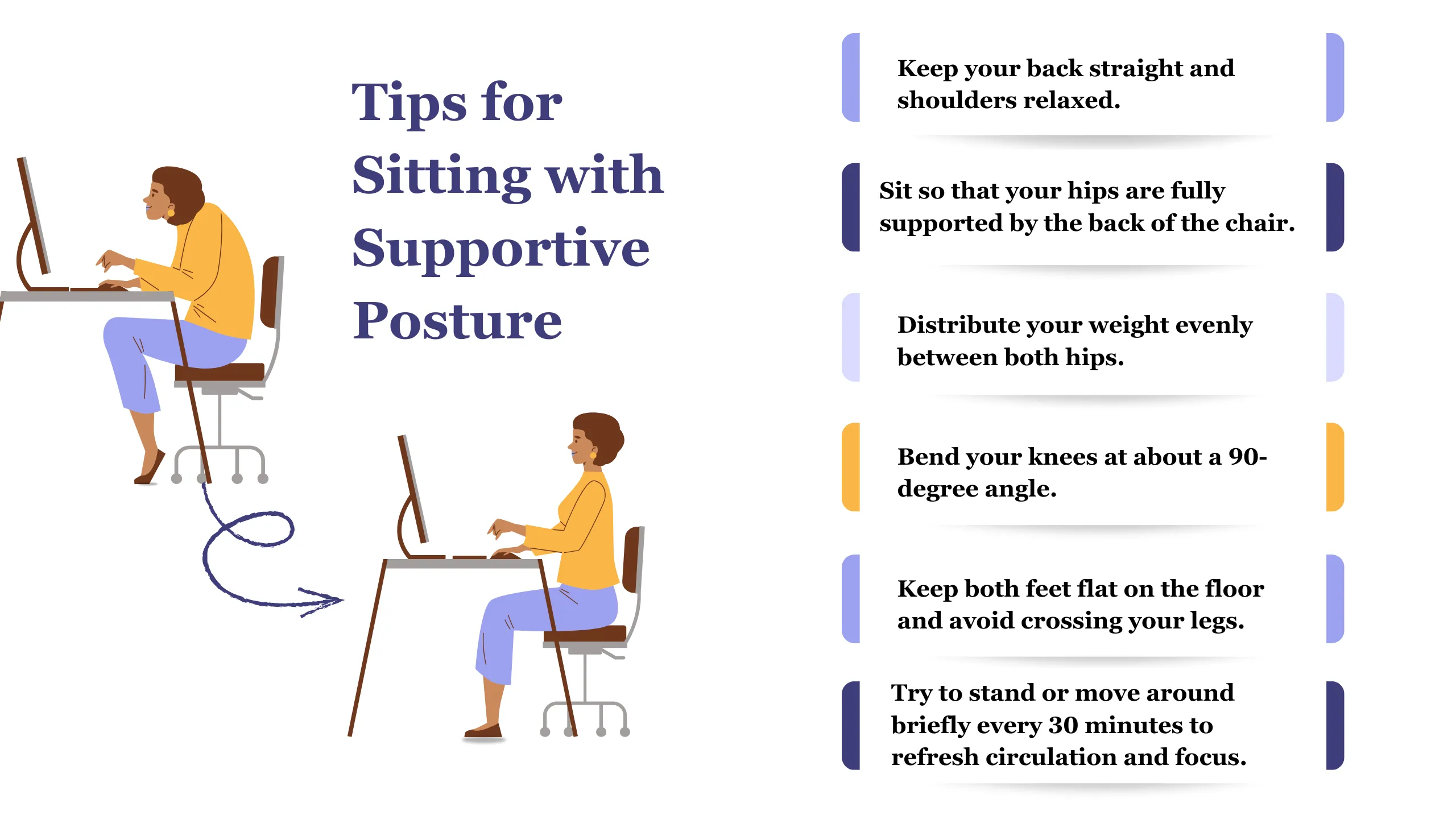
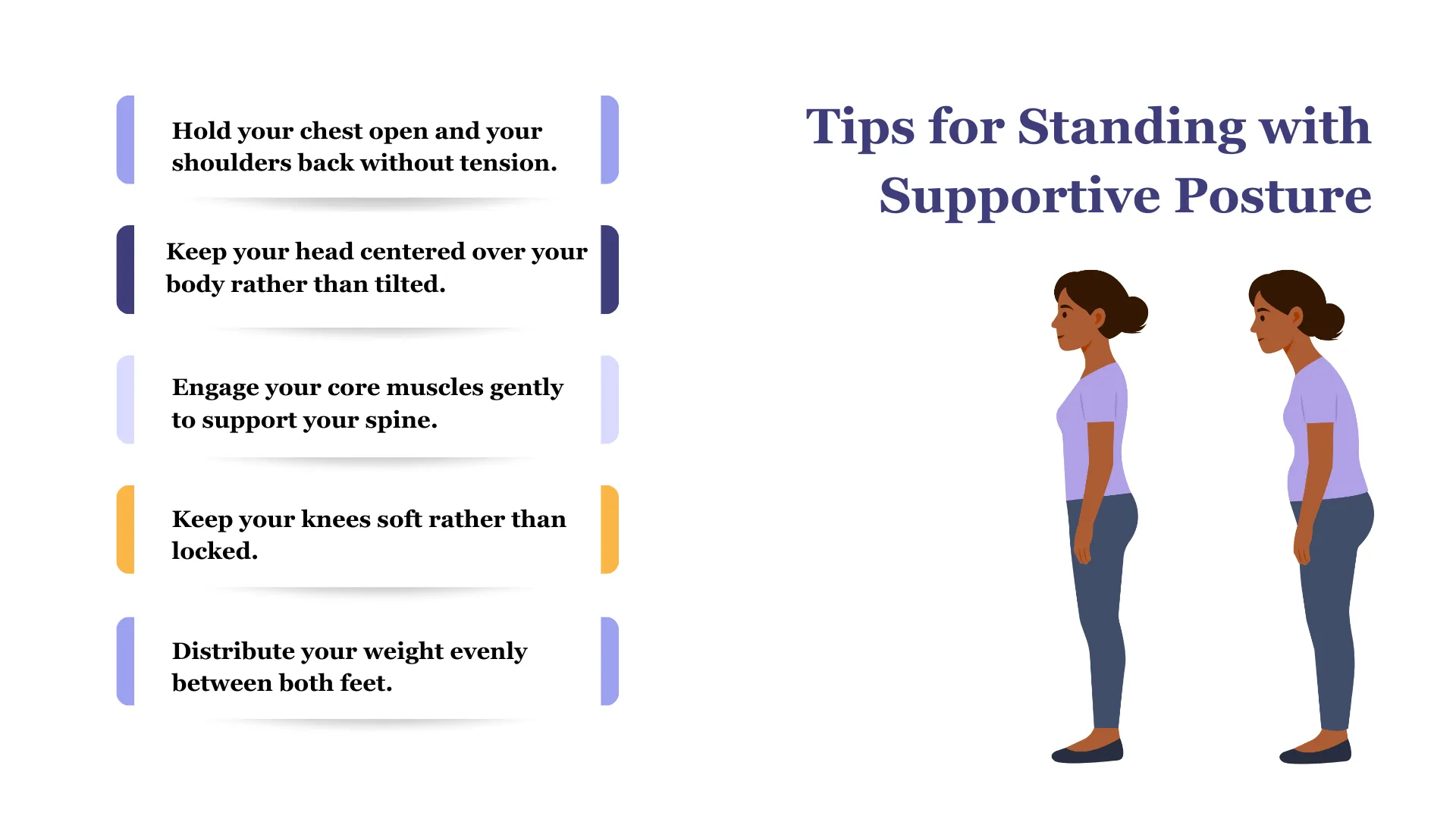
Maintaining posture in this way is less about perfection and more about awareness. A few mindful adjustments throughout the day can support blood flow, focus, and emotional balance – all of which contribute to better learning and memory.
Use Unusual Fonts to Help Information Stick
When something feels easy to read, it often feels easy to learn. Yet research suggests that when we slow down and make our brain work a little harder, we may actually remember more. One simple way to do this is by changing the font of the text you are trying to learn. Using an unusual or slightly difficult-to-read font can make information more memorable.
This idea is linked to what researchers call “desirable difficulties”, a term used to describe learning conditions that feel effortful but ultimately strengthen memory. When material looks or feels more challenging, we tend to pay closer attention and process it more deeply. That extra mental effort helps create stronger and more lasting memories.
A study published in Cognition explored this by asking participants to learn details about fictional alien species. Half read the material in an easy-to-read font (Arial), while the other half read in fonts that were harder to read, such as Comic Sans MS or Bodoni MT. Those who used the less familiar fonts remembered more information later on.
It is important to note that this effect depends on balance. If the text is too difficult to read, the benefit disappears because the brain spends more time trying to decode the words than understanding the content. But when the text is slightly more challenging, it slows us down in a useful way, encouraging more mindful and focused learning.
How to Try It
If you are studying or trying to remember something meaningful, such as a class concept or a personal goal, consider these adjustments:
✔️Change the font of your notes or reading material to something less familiar but still legible, such as Cambria, Baskerville, or Comic Sans MS.
✖️Avoid fonts that are too ornate or tiring to read. The goal is to make learning slightly more effortful, not frustrating.
🖨️Try printing key notes or summaries in the new font and reviewing them after a few days.
Experimenting with this approach can help you find a balance that works for you. The aim is not to make learning harder but to encourage your brain to engage more deeply, which over time supports stronger memory.
Move Your Eyes Side to Side to Support Memory
This next memory exercise may sound unusual, but it has been studied in several experiments exploring how eye movements affect brain activity and memory. Moving your eyes horizontally from side to side for a short period before learning something new may make it easier to remember that information later on.
Research in the journal Brain and Cognition suggests that horizontal eye movements help the left and right hemispheres of the brain communicate more effectively. This communication is thought to play a role in how we both recall and recognition. For example, moving your eyes side to side for about 30 seconds before trying to memorize something may help the brain better integrate and retrieve that information later.
Vertical movements, on the other hand, do not seem to have the same effect. The reason for this is still being studied, but one theory is that horizontal eye movement activates interhemispheric connections, which can improve coordination between memory networks.
This exercise may be especially helpful for avoiding what psychologists call source monitoring errors, which occur when we mix up where we encountered a piece of information. For instance, you might believe you read a fact in an article earlier when you actually heard it in conversation. Gentle horizontal eye movement before learning may help the brain organize these sources more clearly.
How to Try It
Before entering a situation where remembering information is important, such as a meeting, a study session, or a meaningful conversation, try this:
- Sit comfortably and move your eyes slowly from left to right for about 30 seconds.
- Keep your head still and focus on the movement itself rather than on specific objects.
- Afterward, take in the information you want to remember.
This brief exercise may help you feel more alert and mentally prepared to learn, and can be used as a way to bring awareness to how movement and focus influence memory.
Layla’s Takeaway Tips
Understanding how learning and memory work together reminds us that even small physical actions can shape how we take in and recall information. Subtle movements such as sitting upright, changing a font, or gently shifting our gaze highlight the connection between body and mind. When approached with curiosity, these small adjustments can help support focus and memory in daily life.
Here is a brief recap of the approaches explored in this article:
Clenching your fists
- Clench your right hand for 90 seconds before learning something new, and your left hand before recalling it (reverse this if you are left-handed).
- Alternating which hand you clench may activate different areas of the brain linked to learning and recall.
Practicing good posture
- Sitting or standing upright helps maintain strong blood flow to the brain.
- Upright posture has also been associated with improved mood and more balanced recall of positive memories.
Using unusual fonts
- Reading or studying from a font that is slightly harder to read encourages deeper processing and better retention.
- This effect works best when the font is mildly challenging, not frustratingly difficult.
Moving your eyes side to side
- Gently shifting your gaze horizontally for about 30 seconds may help the brain integrate information between hemispheres.
- This can support both recall and recognition while helping to avoid confusion about where information was learned.
These approaches offer thoughtful ways to explore how attention and movement shape memory. Each experiment is an opportunity to notice, reflect, and stay curious about the connection between mind and body.
A Message from Layla
If you require any immediate support, please reach out to a professional, or click here to explore our crisis and community resources. If you’d like to inquire about finding mental health support that’s right for you, a member of our team is happy to assist you. You can email us at contact@layla.care for any inquiries, or complete our intake form to reach out to a member of our care team.