

Find an Accelerated Resolution Therapist at Layla
Find relief from distressing memories with Accelerated Resolution Therapy (ART)
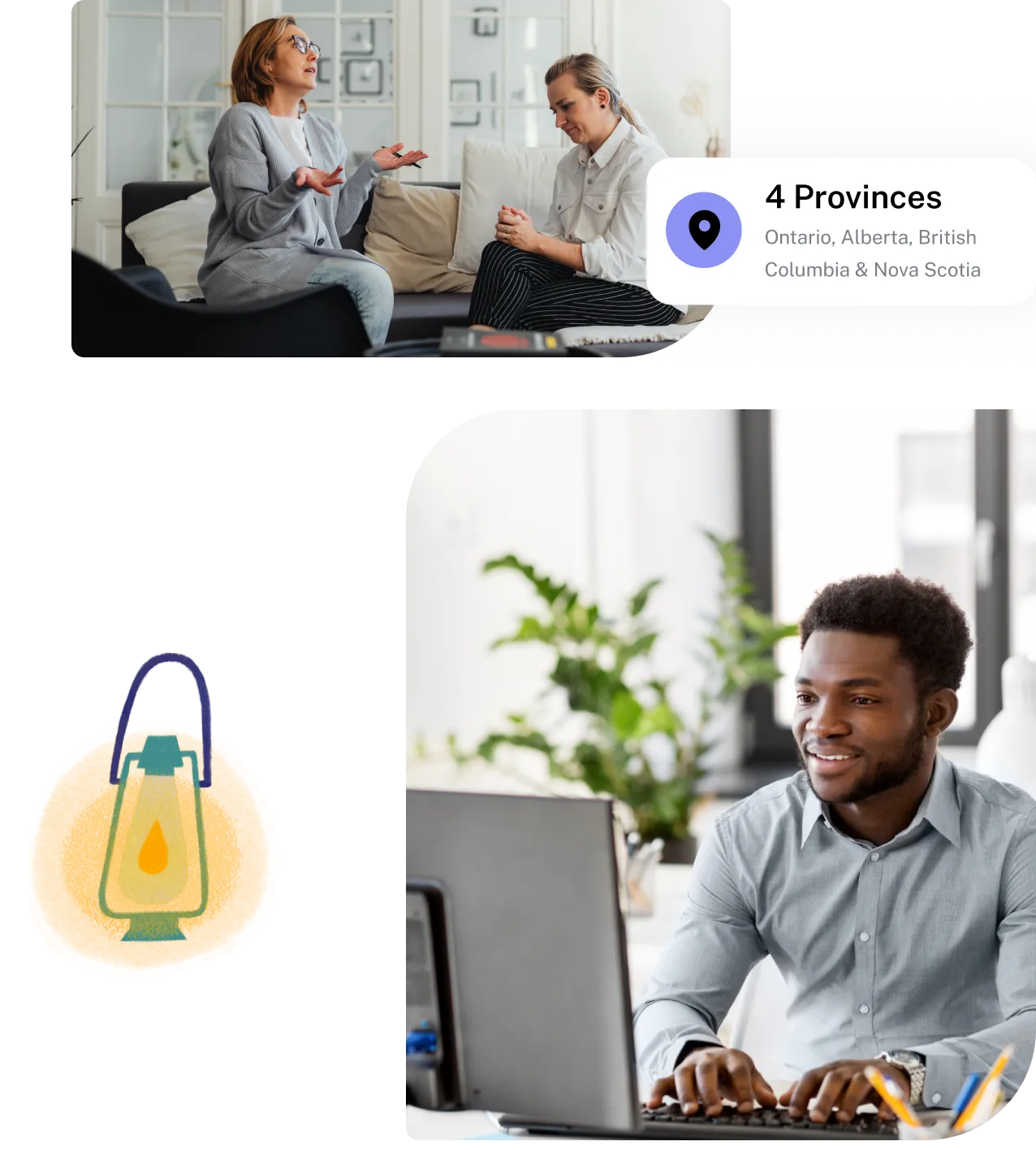
Layla connects you with a licensed therapist trained in ART to help you process distressing memories and to work on reducing their influence on your daily life.
Therapy offered on weekends, weekdays, and evenings. In-person or virtual, depending on your location. Covered by most benefits providers.
Content on this page has been clinically reviewed by Dr. Monica Hinton, Registered Clinical Social Worker, BC College of Social Workers (BCCSW) & Alberta College of Social Workers (ACSW)


What is Accelerated Resolution Therapy (ART)?
ART therapy is sometimes used together with talk-based approaches, but the difference is it doesn't require you to describe your experiences in detail. For this reason, ART may be especially helpful for individuals who find conventional talk therapy approaches emotionally draining, repetitive, or difficult to participate in.
How can Accelerated Resolution Therapy help?
ART is typically shorter in duration than other therapy approaches, with many clients noticing change over just a few sessions. ART can help you:
- Reduce the emotional intensity of distressing memories
- Feel less triggered by reminders of a difficult experience
- Build a greater sense of calm and control in life
- Work through something that happened without needing to relive it in detail
What can Accelerated Resolution Therapy help with?

Trauma
Reduce the emotional and physical intensity of memories that feel overwhelming or stuck.

Depression and low mood
Work through experiences that may be contributing to persistent low mood.

Grief and loss
Find gentler ways to hold and process memories of change and loss.

Phobias
Work through the roots of a specific fear so it holds less power over you.

Anxiety and panic
Ease emotional and physical intensity of memories connected to past experiences.

Addiction and default patterns
Address underlying memories and triggers as part of a broader recovery plan.
Why choose Accelerated Resolution Therapy through Layla
Personal match
Based on your goals, concerns, and preferences.

Flexible formats
Find a variety of therapy options, whether you're looking for in person, online, or hybrid sessions.

Transparent pricing
- $180/session (RP, RCT, RSW, RCC)
- $240/session (Psychologist)

Start your Accelerated Resolution Therapy journey today
You don't have to navigate difficult memories or distressing images alone. With Layla, we can help you find a supportive therapist who can help guide you towards reprocessing your experiences, help reduce their emotional intensity, and find a greater sense of calm and control.
Take the first step
Then you'll connect with a Care Coordinator who will support you through the matching process.

Frequently asked questions
ART therapy might look different depending on your therapist and their approach. One of the features of ART is that you don't need to verbally describe what happened in order to benefit from the therapy. It's common for a therapist to guide you through a series of eye movements while you focus on a distressing memory or image.
Throughout the session, therapists offer verbal guidance to help you stay grounded and comfortable, ensuring that you feel safe throughout the experience.
Both ART and EMDR use guided eye movements or different forms of bilateral stimulation to help process difficult memories. ART is generally more structured, tends to be shorter in duration, and doesn't require you to talk through the details of what happened. Your therapist can help you figure out which approach or combination of approaches matches your situation.
Many people notice a difference between 2 to 5 sessions. However, everyone's unique experience is different and this varies by person and on what you're working. Your therapist can help set expectations based on your specific situation.
Yes. ART is an evidence-based therapy that has been studied for trauma, PTSD, and other concerns. It is practiced by licensed mental health professionals who complete specific training in the ART protocol.

Valerie Tsang
Valerie is a Registered Psychotherapist who has worked for more than a decade in community mental health. She holds a Masters of Arts in Psychology from Médaille College and a Honours Bachelor of Science in Psychology from University of Toronto. Valerie has extensive clinical experience working with individuals and groups on addressing diverse mental health concerns including complex trauma, suicidal ideation, concurrent disorders, and the impact of socioeconomic status on mental health. She is passionate about exploring the role of digital health technologies on reducing health disparities in the mental health sector. Outside of work, Valerie enjoys baking, working on her green thumb, and visiting local coffee shops.

Dr. Siqi Huang
Hello! Thank you for taking the time to invest in your well-being. I'm a clinical and health psychologist based in Ontario. I have experience in assessing mental health conditions (e.g., anxiety, depression, trauma, ADHD), as well as health-related mental health concerns (e.g., distress related to somatic symptoms, pain, or becoming ill). My goal is to create a collaborative assessment experience where we gain a better understanding of your current functioning, and to discuss individualized recommendations to help you address barriers to well-being.

Dr. Sahar Bhaloo
Psychologist, Co-founder and Clinical Supervisor at Flourish Psychology and Coaching, works in Global Mental Health and Complex Trauma.

Dr. Danielle Rice
Clinical and Health Psychologist at St. Joseph’s Healthcare Hamilton, Assistant Professor at McMaster University.
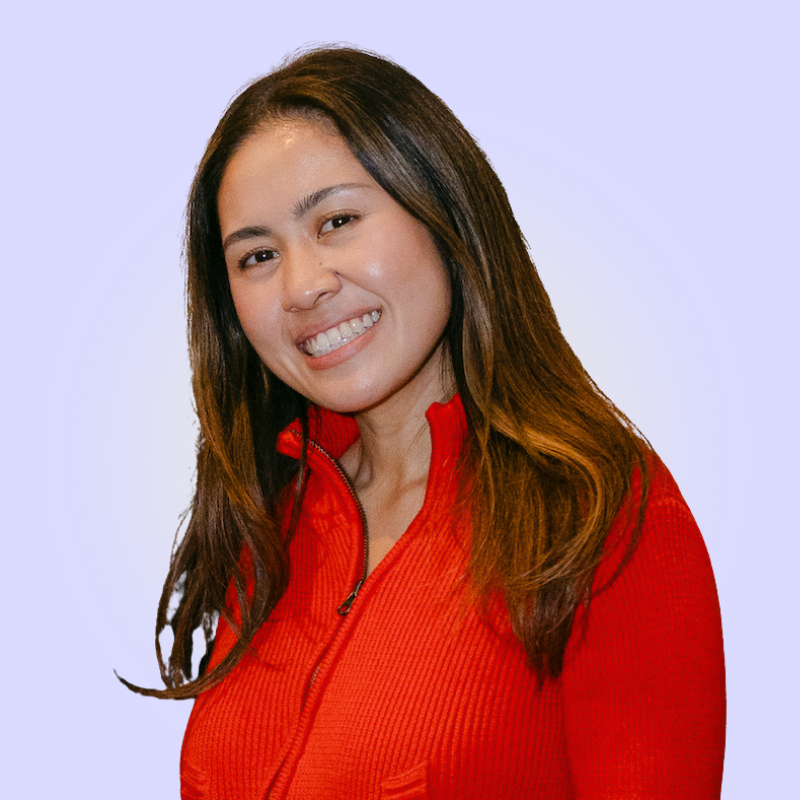
Diane Corrales
With a bachelor of science degree and a product management certification, Diane combines her scientific and technical knowledge with her passion for championing a client-centered and human-focused approach in the healthcare and wellness realm. She supports the operations and delivery of Layla's service, fostering a supportive and effective community for mental health professionals and clients alike.

Saretta Herman
Saretta brings over a decade of experience working in various mental health settings. She holds a Master’s degree from the University of Toronto Factor-Inwentash Faculty of Social Work where she is currently an Adjunct Lecturer. She started her post-graduate career working at the Clinic on Dupont where she practiced for over 5 years while also working in Children’s Mental Health in community, residential, and youth justice programs. She currently works in private practice and previously was a part of the Health and Wellness team at the University of Toronto. She is passionate about issues of social justice and systemic issues that contribute to mental health challenges. She is interested in supporting people on an individual level and also holds a strong interest in organisational and systemic changes that can help improve people’s lives more generally.In her free time, Saretta enjoys playing hockey, cooking, gardening in the summer, and spending time with her family.